
Black Garden Ant

Black Garden Ant (Lasius niger) Origin and Habitat: The black garden ant, scientifically known as Lasius Niger, is a common ant species found in gardens, lawns, and various outdoor environments. They create nests in soil, often beneath stones or in decaying wood. Breeding and Reproduction: Black garden ants reproduce through winged reproductive ants during nuptial […]
Jet Ant

Jet Ant (Lasius fuliginosus) Origin and Habitat: The jet ant, scientifically known as Lasius Fuliginosus, is commonly found in forests, woodlands, and garden areas. They nest in decaying wood and soil, creating colonies that may include multiple queens. Breeding and Reproduction: Jet ants establish colonies by reproducing through winged reproductive ants (alates). The presence of […]
Oriental Cockroach

Oriental Cockroach (Blattella Germanica) Origin and Habitat: The Oriental Cockroach, scientifically known as Blatta Orientalis, is believed to have originated in North Africa, the Middle East, or Southern Europe. It has become a widespread pest globally and is often found in damp, dark areas. Common habitats include basements, crawl spaces, and areas with high humidity […]
Oriental Cockroach (Blatta Orientalis)

Origin and Habitat: The Oriental cockroach, with the scientific name Blatta Orientalis, originates from North Africa, the Middle East or Southern Europe and has become a globally widespread pest. It is usually found in damp, dark areas. Common habitats include basements, jack cavities and areas with high humidity levels. Reproduction and Reproduction: Oriental Cockroaches have […]
American Cockroach

American Cockroach (Periplaneta Americana) Origin and Habitat: The American Cockroach, scientifically known as Periplaneta Americana, is believed to have originated in Africa but has become a cosmopolitan pest, particularly in urban environments. It thrives in warm, humid climates and commonly inhabits sewers, basements, and areas with abundant decaying organic matter. Breeding and Reproduction: American Cockroaches […]
Wool Moth / Clothes Moth
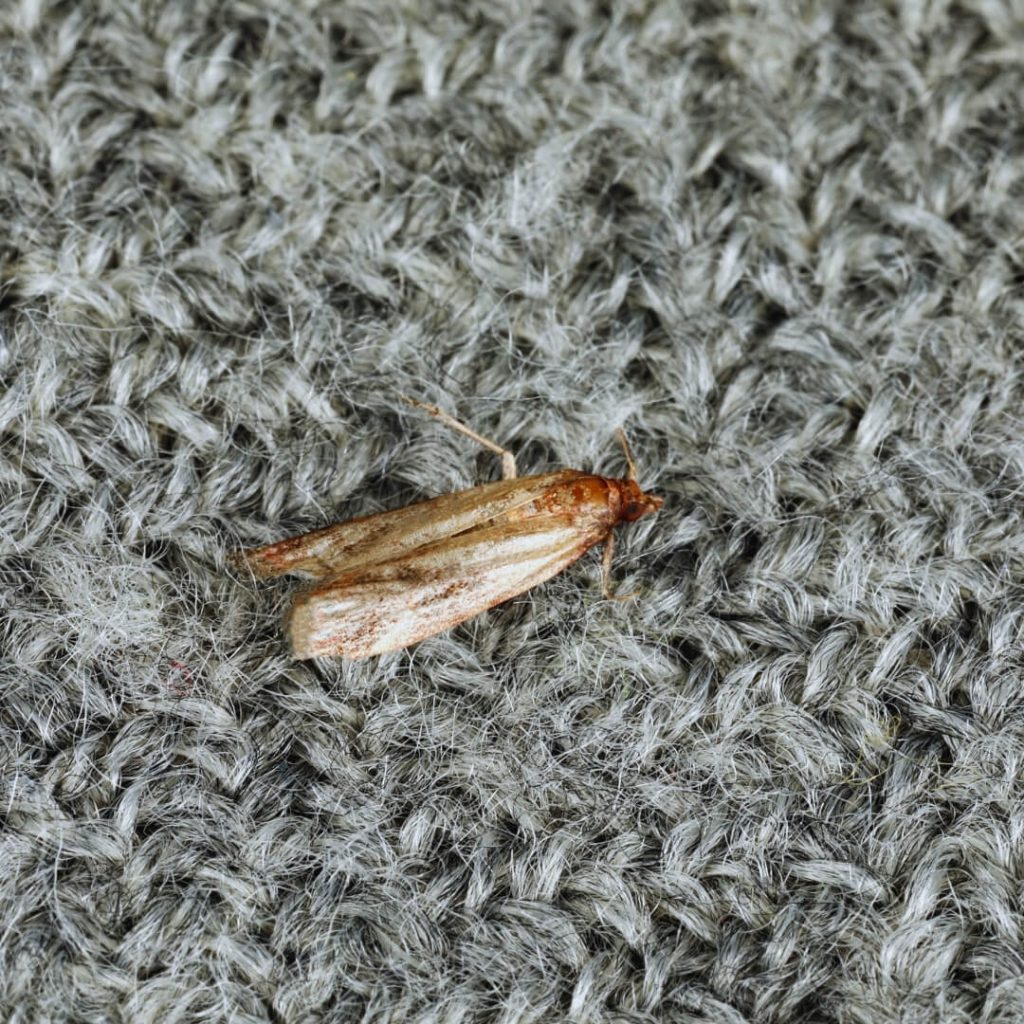
Wool Moth / Clothes Moth (Tineola Bisselliella) Origin and Habitat: The Webbing Clothes Moth, scientifically known as Tineola Bisselliella, is believed to have originated in Europe, and it is now present in various parts of the world. This moth species primarily infests textiles and natural fibers. Common habitats include closets, wardrobes, and areas where wool, […]
Indian Meal Moth
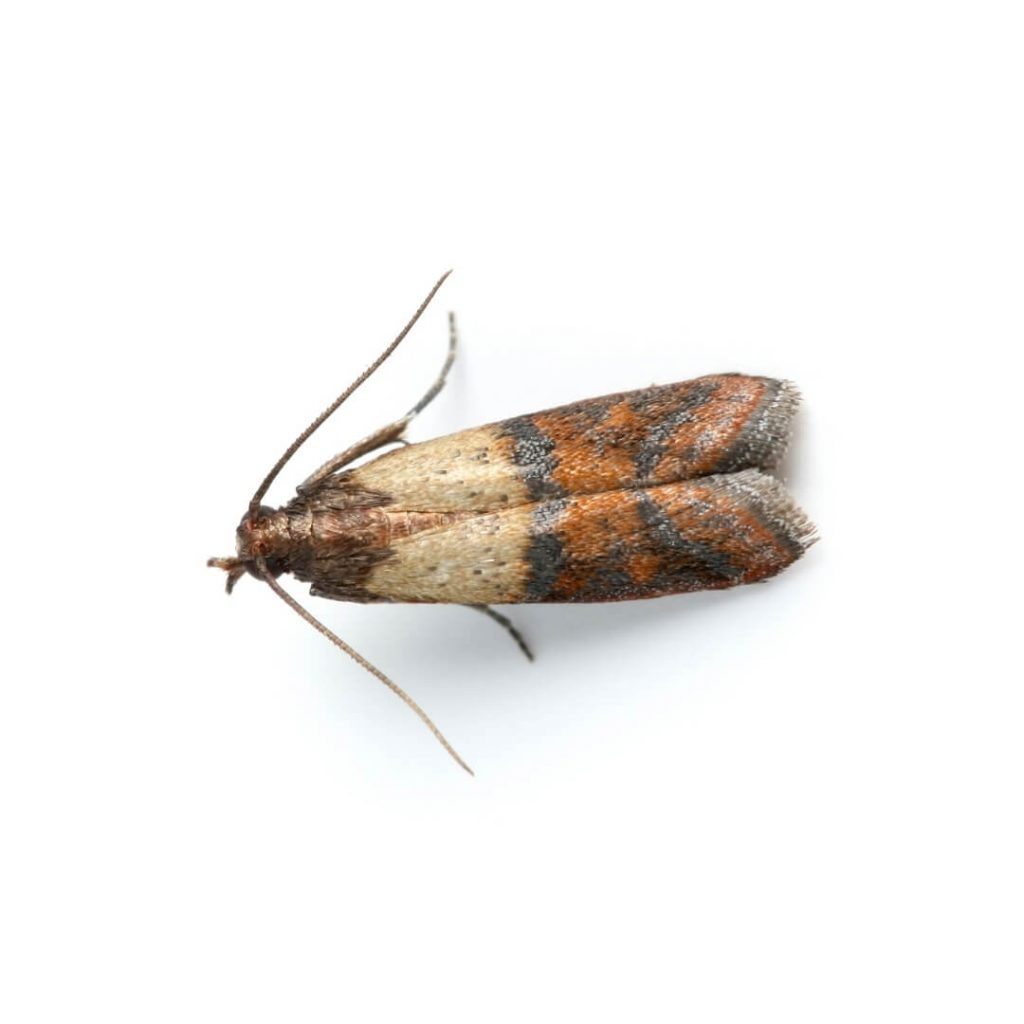
Indian Meal Moth (Plodia Interpunctella) Origin and Habitat: The Indian Meal Moth, scientifically known as Plodia Interpunctella, is native to North America but has spread globally due to human activities. Its natural habitat includes stored food products such as grains, nuts, dried fruits, and pet food. This adaptable pest can thrive in various environments, making […]
Tobacco Moth / Warehouse Moth
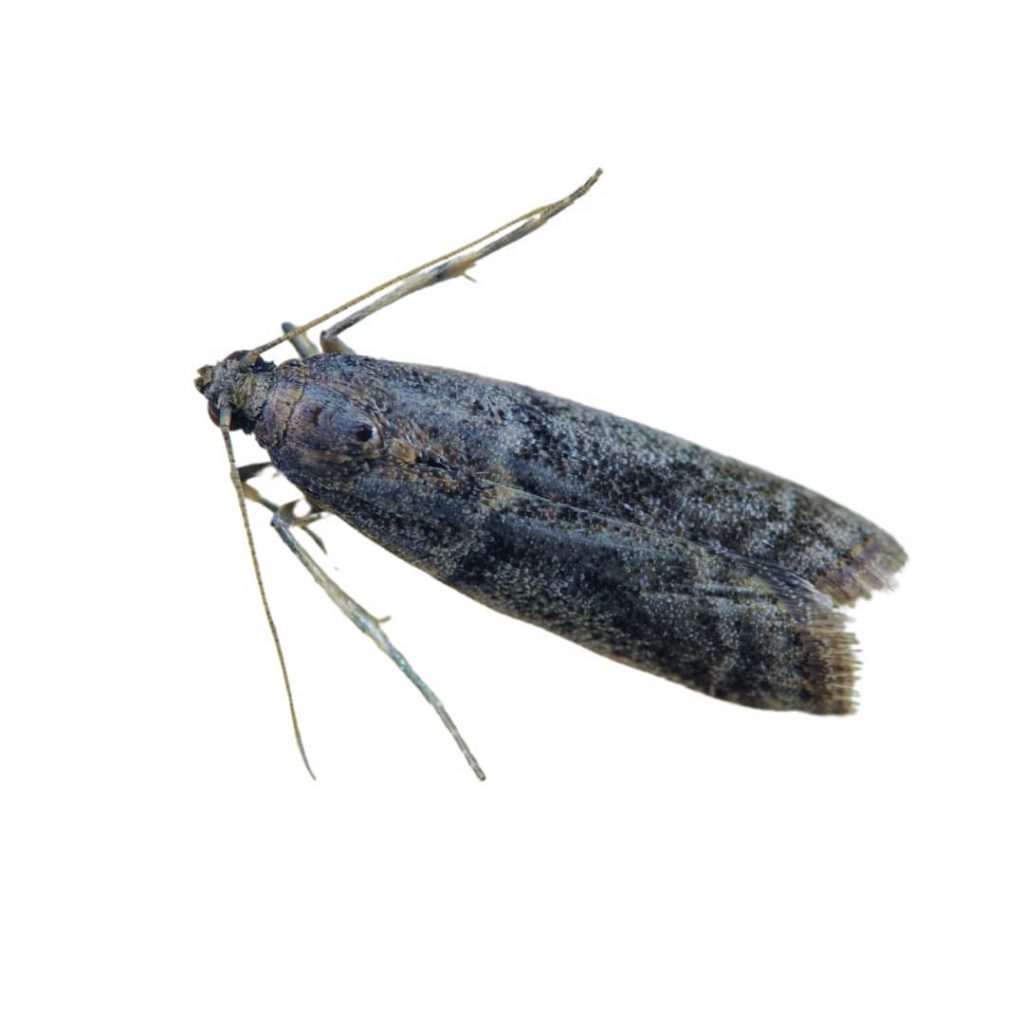
Tobacco Moth / Warehouse Moth (Ephestia Elutella) Origin and Habitat: (H3) The Warehouse Moth, scientifically known as Ephestia Elutella, has its origins in Europe and has adapted to various climates worldwide. Its natural habitat includes warehouses, storage facilities, and areas with stored products. This moth species particularly favors environments with a consistent temperature and humidity, […]
Mediterranean Flour Moth
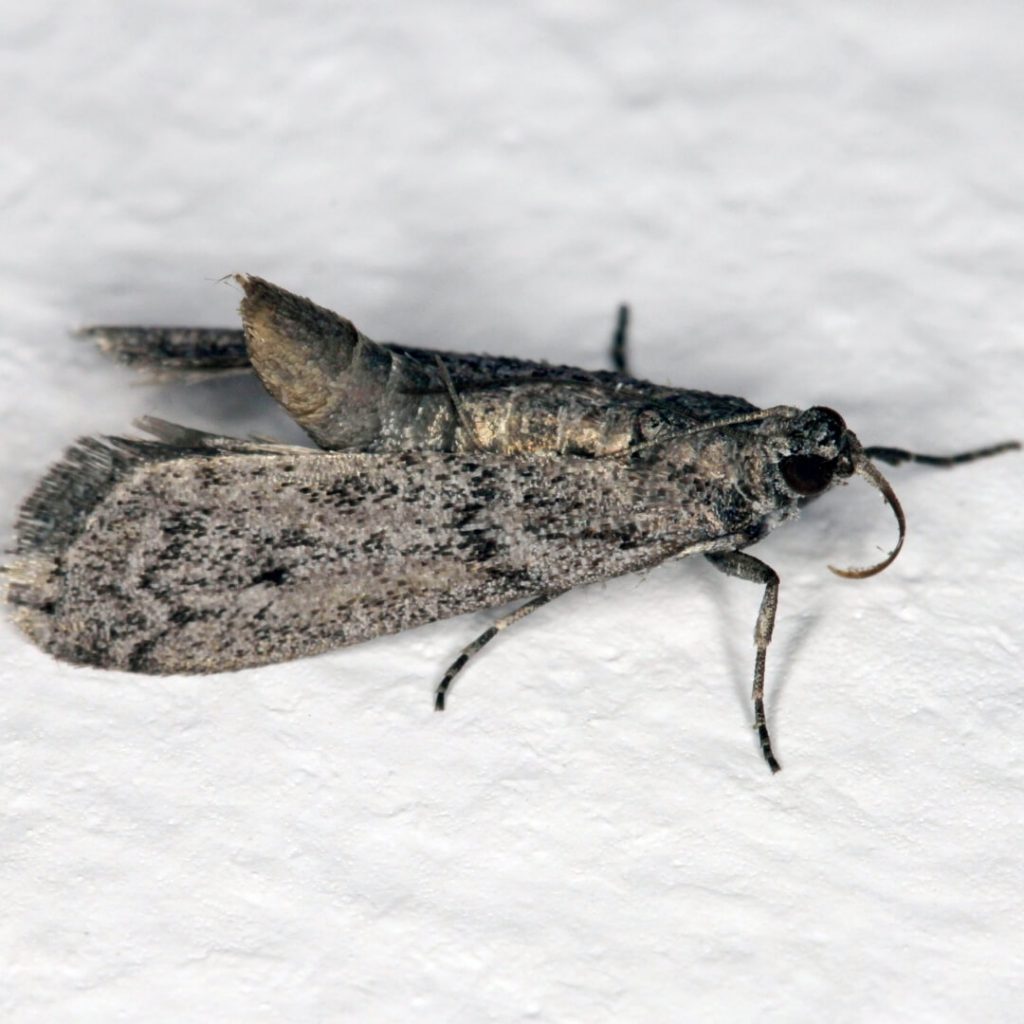
Mediterranean Flour Moth (Ephestia Kuehniella) Origin and Habitat: The Mediterranean Flour Moth, scientifically known as Ephestia Kuehniella, originates from the Mediterranean region. Its natural habitat includes stored food products, especially those containing flour, grains, and cereals. This moth species has adapted to human environments, thriving in warm and dry conditions. Breeding and Reproduction: Mediterranean Flour […]
Angoumois Grain Moth
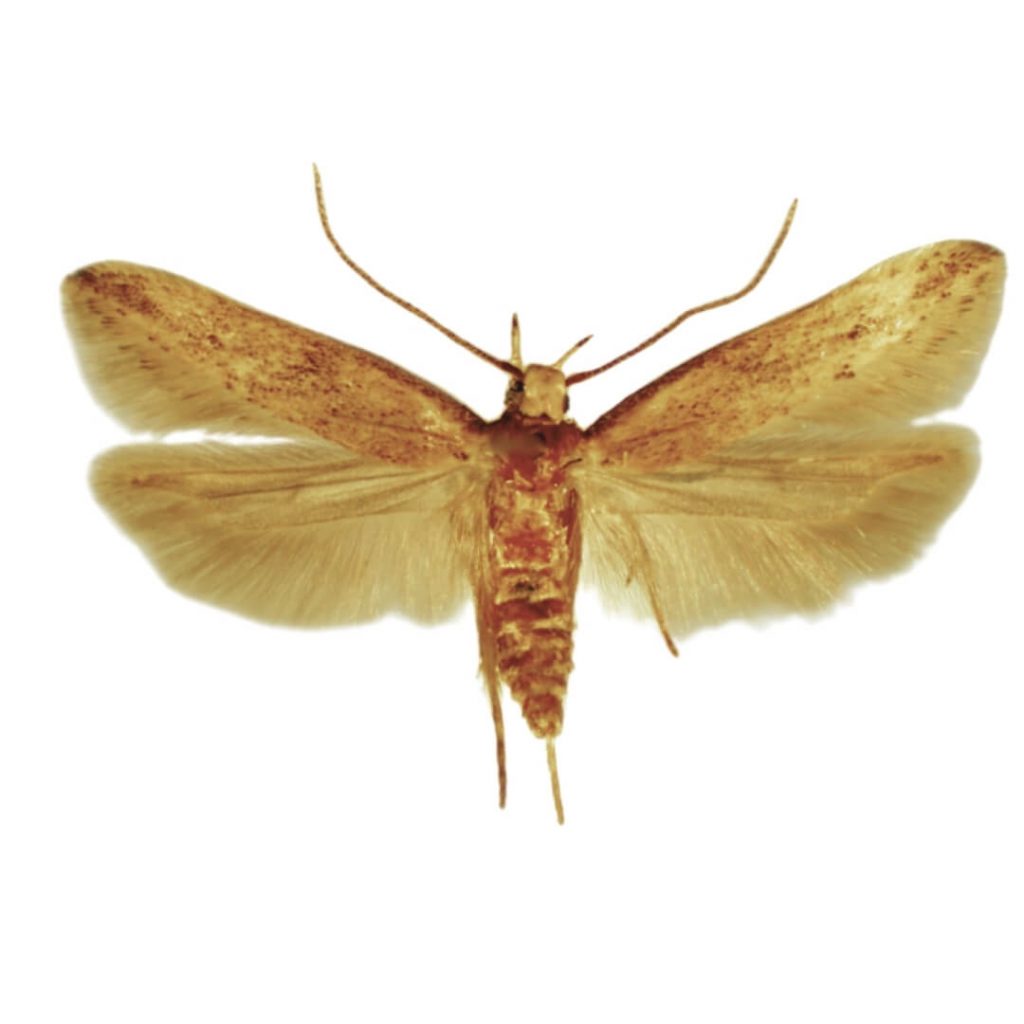
Angoumois Grain Moth (Sitotroga Cerealella) Origin and Habitat: The Angoumois Grain Moth, scientifically known as Sitotroga cerealella, is a pest species originating from tropical and subtropical regions. Its primary habitat includes stored grains such as wheat, rice, and corn, making it a formidable foe in the agricultural and food storage sectors. The moth thrives in […]